About Iron Claw Editor

This account is managed by the Iron Claw Robotics website team. Blog posts published by this user are either written by students outside the website team or written by multiple people.

By |2026-09-20T10:10:45-07:00December 19th, 2025|

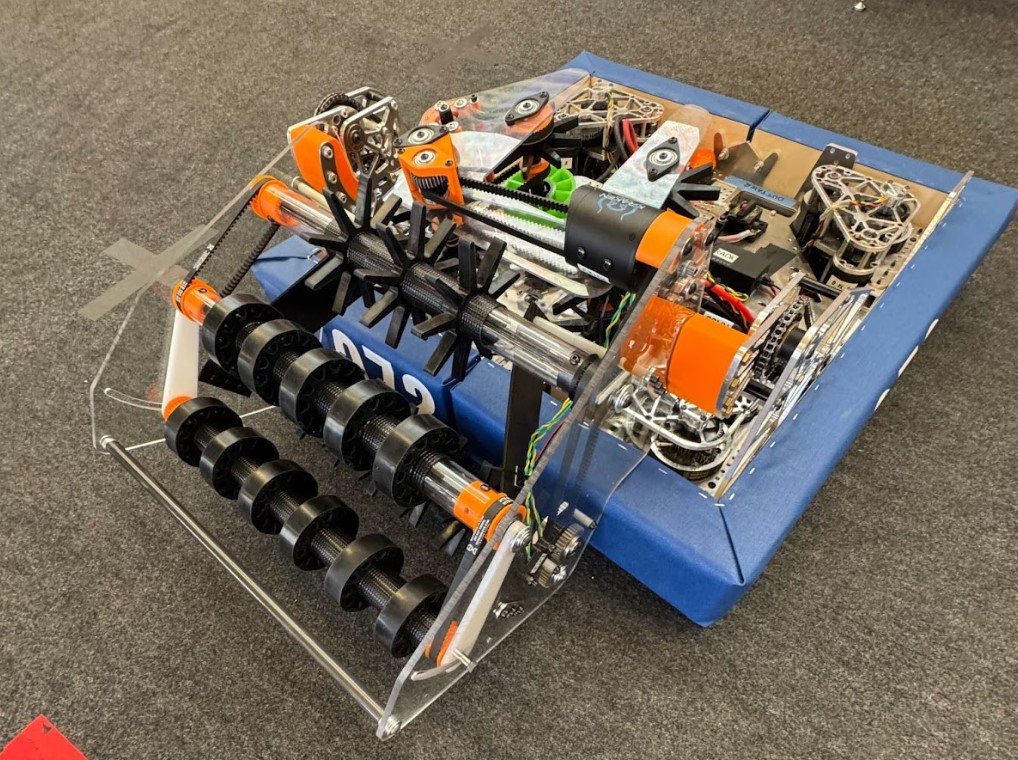
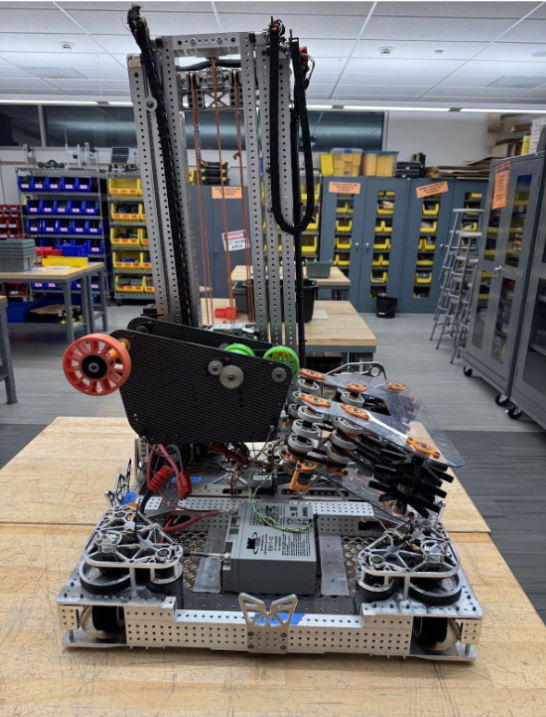
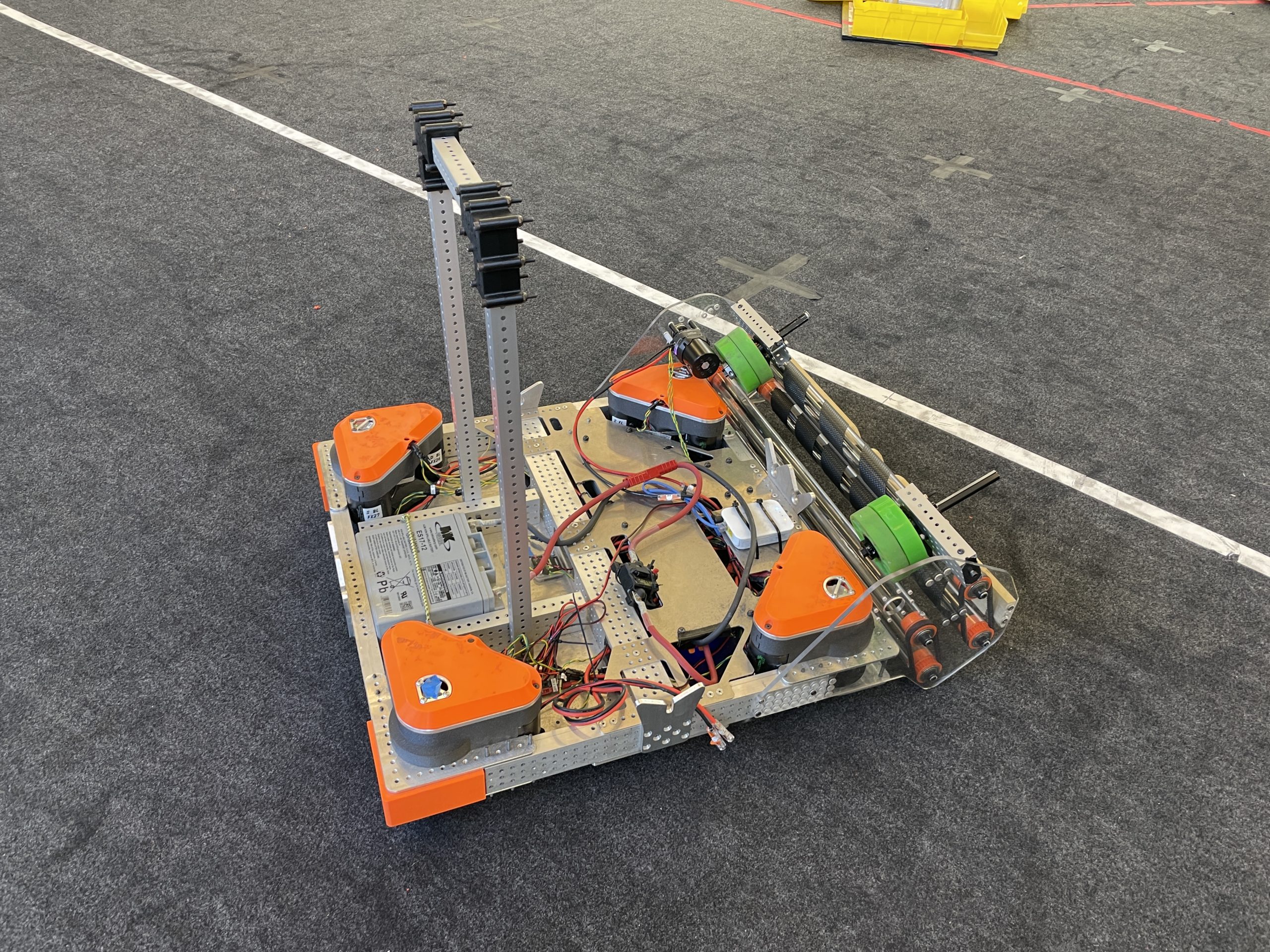
The project began in mid-September with the basics: laying out the geometry for motors, pulleys, belts, and gears while staying within frame perimeter constraints. Early work focused on plate layouts and making sure there was enough space to mount hardware without interfering with the belt runs. By late September, we finished the hood plate and met my first real challenge: problems with gear meshing. This would become an ongoing theme. In early October, after some research on Citrus Circuits' shooter design, we had made the ambitious move to try and copy their gear by hand. This. did not go well. We learned quickly that precision gear geometry is not something you "eyeball." October brought a major breakthrough in using GearLabs and a Kraken gear profile to make a reliable mesh. The lesson was reinforced in all caps: DO NOT EYE BALL OR HAND MAKE GEARS. Once appropriate gear geometry was in place, we could proceed to complete the 3D printed part studio and further refine the geometry. By mid October, talking to mentors and running calculations through ReCalc showed us that we had drastically underestimated RPM requirements for the shooter design. In other words, it was time for a change—big changes. We revised the 3D printed hood to decrease the minimum angle [...]
By |2026-09-20T01:29:34-07:00October 17th, 2025|

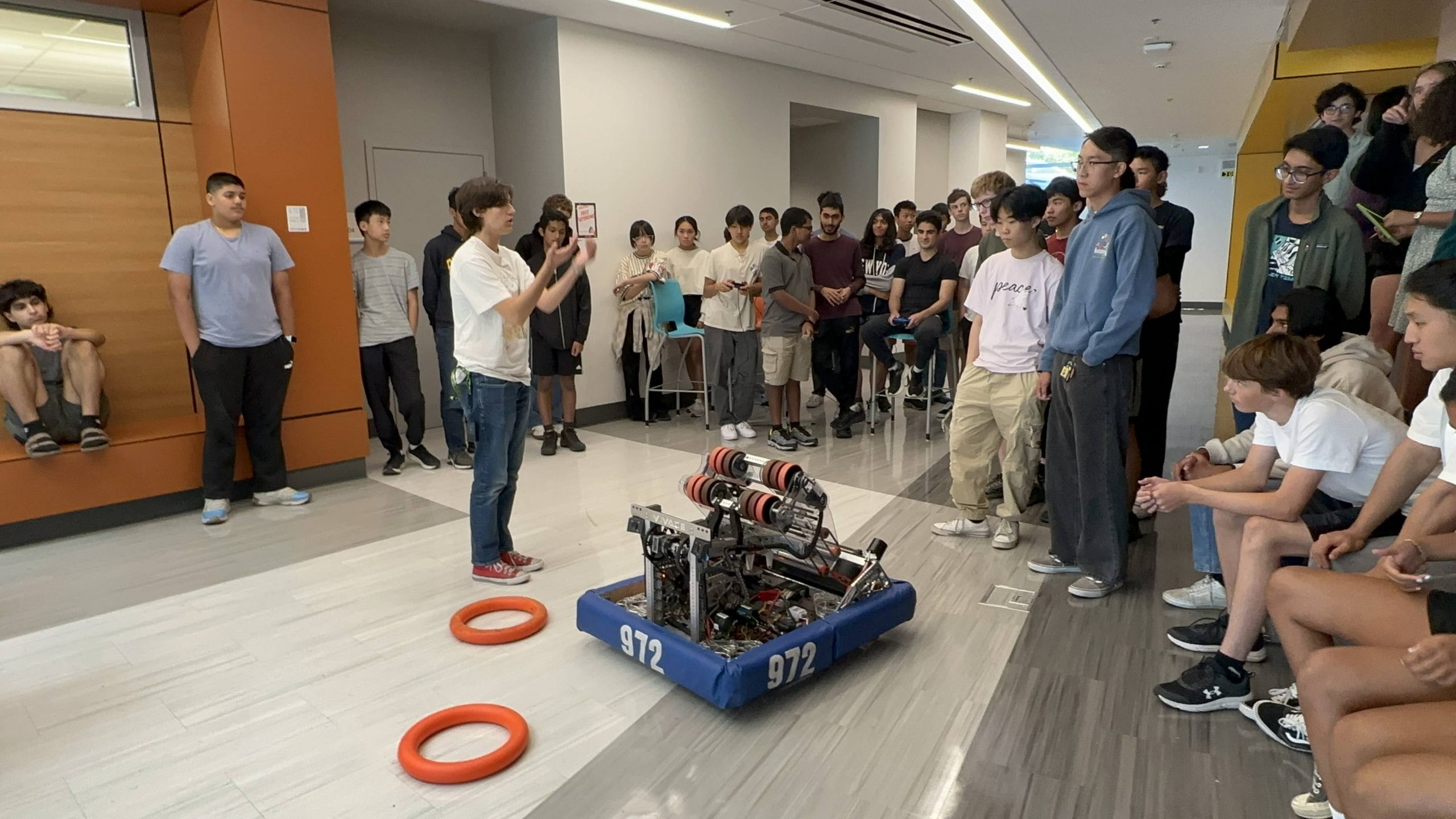
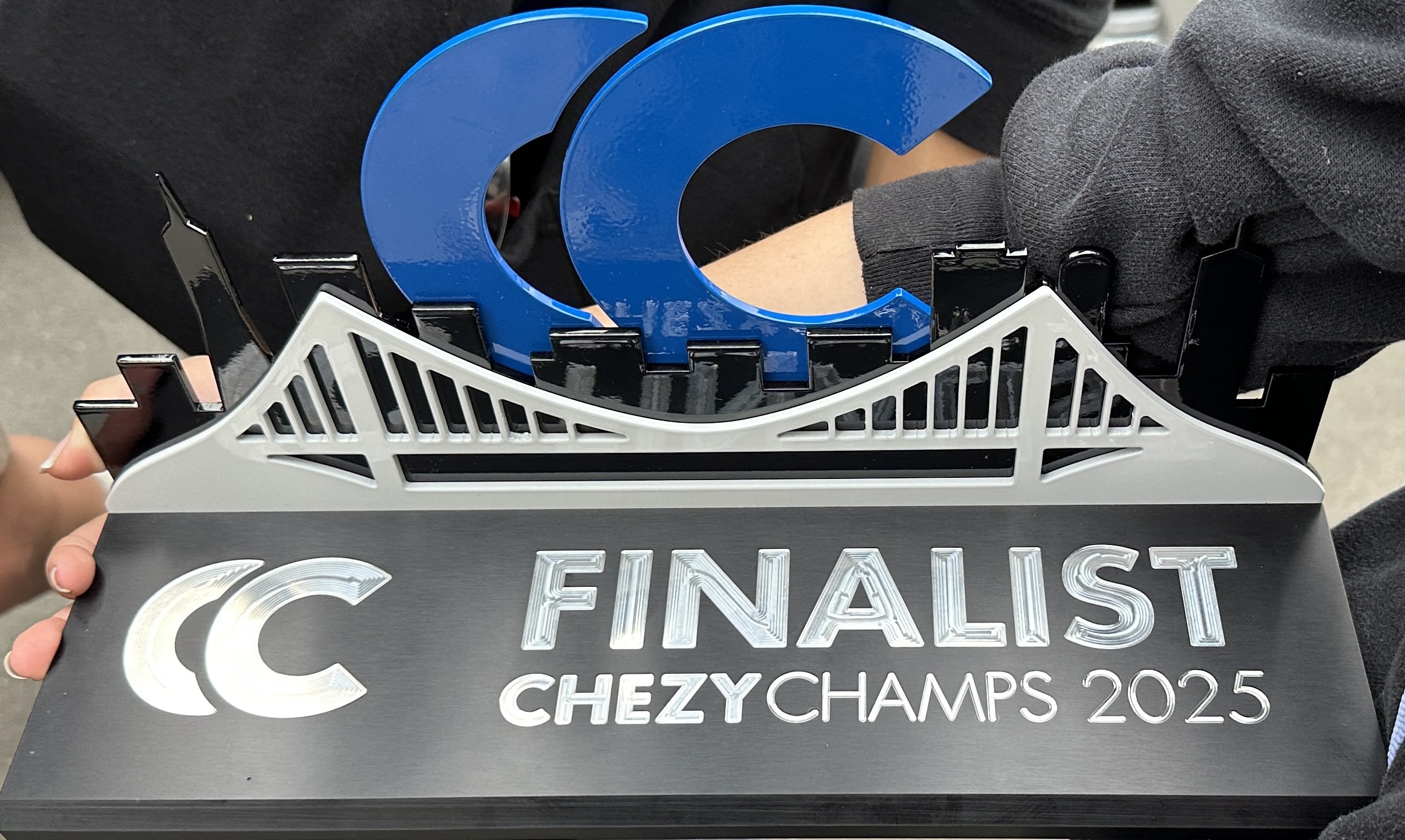
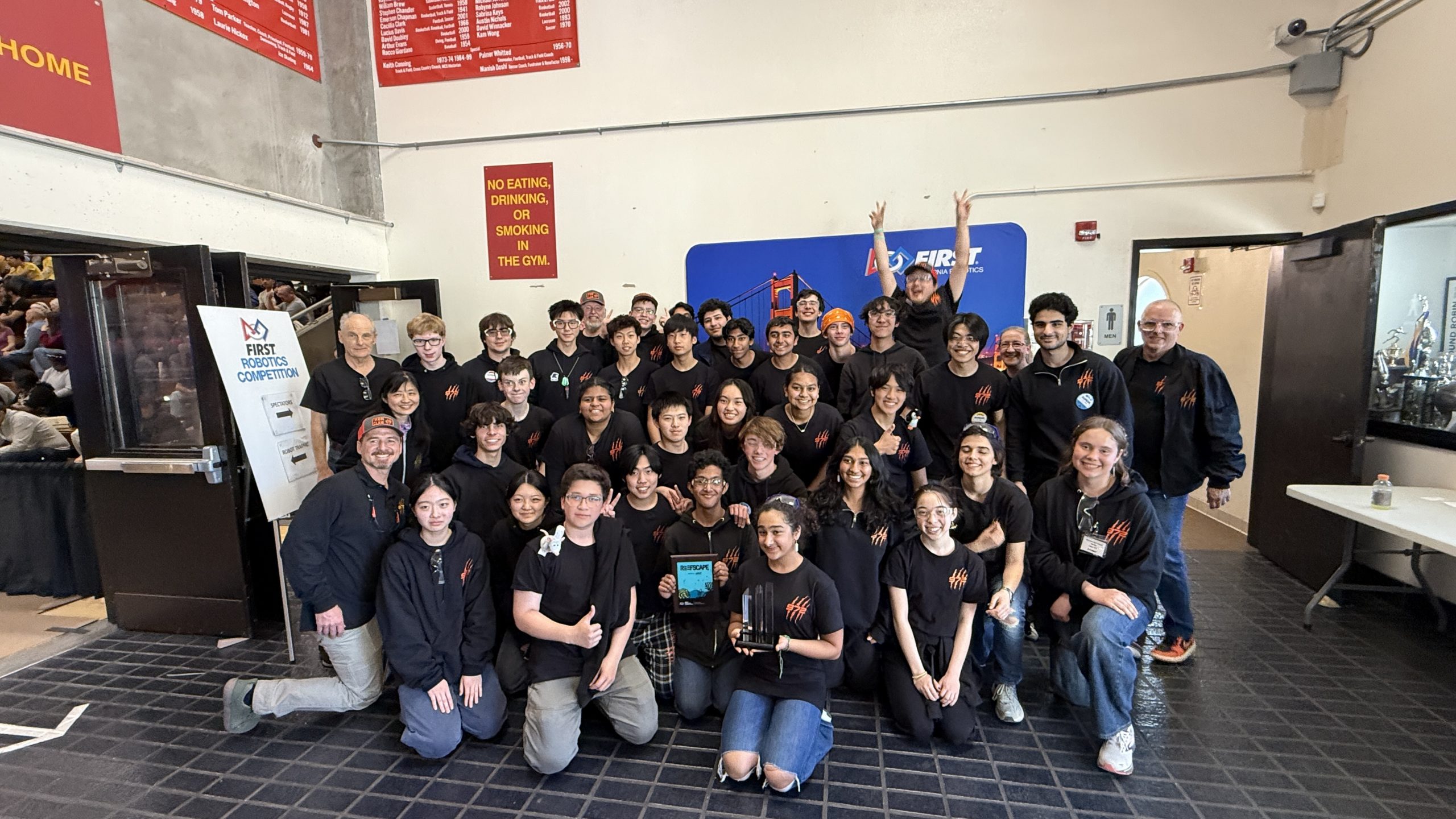
Hi! Welcome back to the Iron Claw Blog for the 2025-2026 season! It's great to see the team back, along with many new members joining our team! This year, the team decided to attend the Chezy Champ to improve our robot, Vantage, from last season. Learning from prior years, the team concluded that the Chezy Champ would also provide valuable experiences for the first-year students. To prepare for the competition, the team met with 971, Spartan Robotics, to practice on their field. We greatly appreciate the time 971 spent with us, which was really helpful in helping us refine our driving strategies, improve our robot’s performance, and gain valuable insights for the competition! With great programming work from last season, the programmers utilized their time on testing the code to minimize any possible mistakes in matches. The control system team spent a lot of time on CAN Bus troubleshooting, creating a checklist to imp rove and guide CAN Bus troubleshooting, testing the robot’s reliability, the team utilized 971’s practice field leading up to Chezy Champs for driver and human player practice, and to troubleshoot problems, so the team could have reliable performances at Chezy. Our human players both practiced to perfect the coral drop from the station and to improve communications and signals with the driver and drive coach. [...]

By |2025-06-11T14:27:07-07:00June 11th, 2025|

This season was a wild ride. We kicked things off strong—our climb system ranked 8th in the world after our first competition, and it held up all season. That reliability gave us the consistency we needed while we worked out the rest of the robot. Early on, there were definitely struggles. At Pinnacles, we couldn’t score coral on Level 1 in auto and our intake jammed constantly. We ended with an auto EPA of 4.94 and finished 16th out of 35. Sacramento was even rougher. Coral kept slipping between auto and teleop, and the outtake angle threw off our Level 4 scoring. We dropped to 21st out of 34. In both regionals, our playoff runs ended in Match 5, often because of one last-minute failure—usually the intake. But instead of getting stuck in the negatives, we took it as fuel. After Pinnacles, the team split into groups to break down what happened—pit, strategy, and scouting—and rebuilt from there. We redesigned the indexer to fix the jam rate, adjusted the intake from 23 to 19.5 inches to cut weight and improve speed, and reworked our outtake angle. For the first time, we prioritized outtake performance over intake size, and it was absolutely worth it. Scouting made big upgrades too, adding features like automatic “Leave” selection and reminders to switch between [...]

By |2025-10-15T15:02:06-07:00May 22nd, 2025|

Hello! Welcome to Build Season Week 14 and Competition Season Week 6. This week marked a critical phase in our journey, as we prepared for our final regional event of the season—the East Bay Regional. The team initiated the week by conducting autonomous routine testing on the competition robot, while simultaneously mounting the newly machined elevator onto the beta robot. These tasks set the stage for a week of focused iteration and refinement. Following the mechanical progress, the control systems subteam worked diligently to complete the wiring on the beta robot. This step was essential to enable the beta bot’s readiness for driver practice and autonomous testing. Early in the week, on Tuesday, we encountered some challenges related to the laserCAN system. However, through quick troubleshooting and effective teamwork, we identified a reliable workaround, allowing practice and testing to proceed without major delays. A notable highlight from the software team was the successful execution of a three-piece autonomous routine—an exciting achievement that reflects our continuous improvement and dedication. By Wednesday, the team resolved several hardware issues and replaced the problematic laserCAN component. We also spent time refining our autonomous routines to ensure reliability and performance heading into the competition. On Friday, we finalized all necessary preparations and packed up for the regional. Upon arriving at Berkeley High School, [...]

By |2025-03-19T16:10:16-07:00March 10th, 2025|

Preparing for Sacramento, we've upgraded our robot and strategy based on Pinnacles insights. Here's our progress. After lots of hard work over the past week preparing for and attending Pinnacles Regional, we gathered together on Wednesday to debrief about our performance at the competition. During our time together, we split up into three groups in order to evaluate the aspects of our performance - the pit team, strategy team, and scouting team. For the pit, everyone agreed that our indexer was our weakest subsystem due to the 50% jam rate, even though we got lucky and it performed closer to a 95% rate at Pinnacles, we wanted to learn from our mistakes and continuously improve the robot. We also rewatched all our matches from Pinnacles, and compared our scouting data and saw that our outtake was outtaking the coral much faster than we needed at the angel of our outtake, so we redesigned it with the help of the strategy team and our driver Arman who did a phmonel job at Pinnacles. Lastly, the scouting team has undergone many big decisions and renovations as well, such as an automatically selected ‘Leave’ and an alert to remind scouters to click from auto to teleop, this is allowing us to improve the accuracy of our data. We are also trying to [...]

By |2025-03-10T21:47:38-07:00March 10th, 2025|

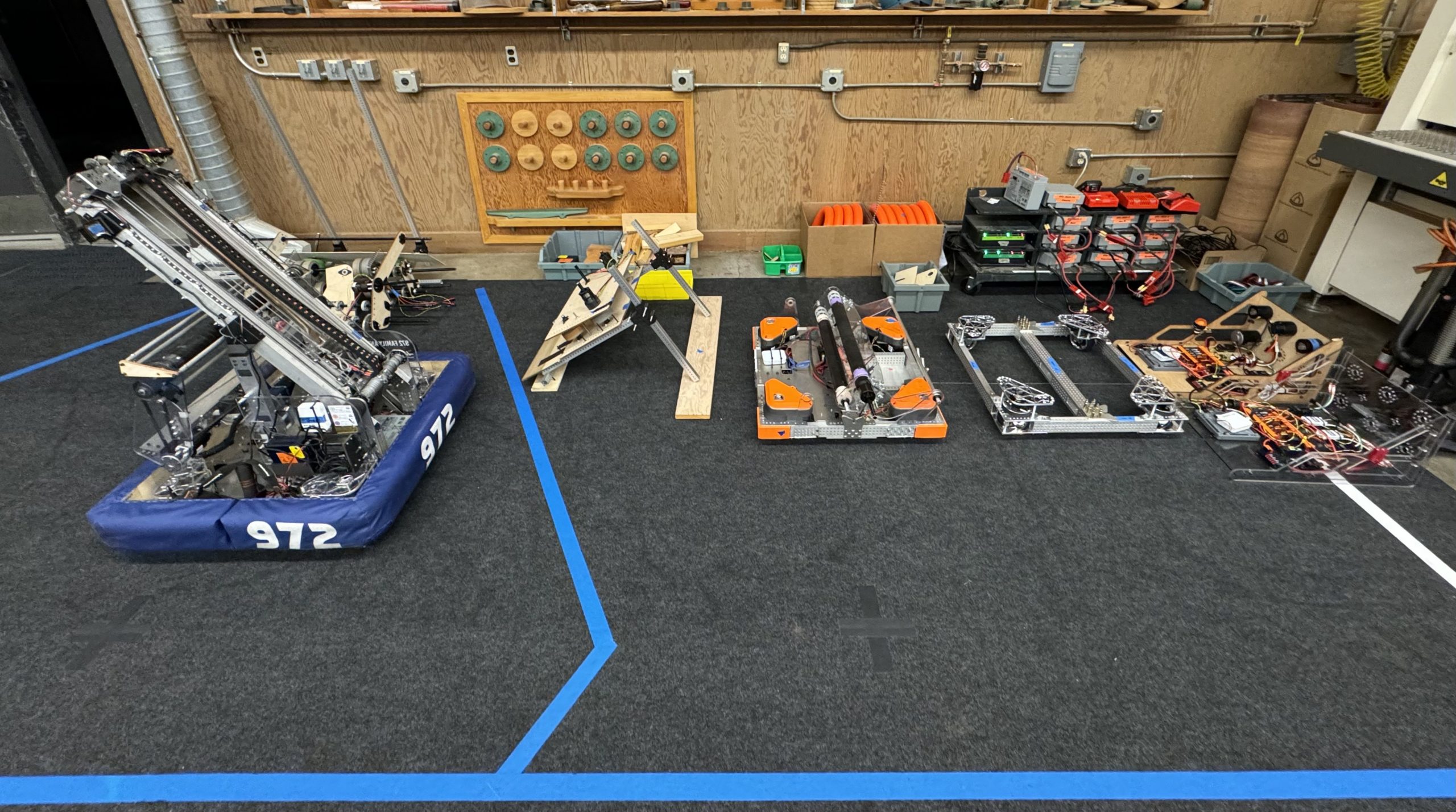
             This week, as we near the end of our build season, we had to commit to get our robot done in time and done well. We started the week with a friendly visit from two great teams: Quixilver and Goldstrikers. We discussed robot design with them, figuring out which methods worked for the other teams.   We also had a lot of improvements to make on our own robot. Our robot was a little overweight, so we needed to figure out how to add some weight reduction. We changed our plates to be thinner and gave the belly pan some grates. This resulted in a mad sprint to machine and assemble our robot, which means we now have three competition drive trains! An Alpha bot, Beta bot, and our final robot, named Vantage!              We began to remake the robot, with the overweight one being used for driver practice as the new one continues to get built. This helped our weight problem tremendously, and we should be underweight now.             Furthermore, we had a lot of subsystem changes. For our outtake, we shortened the bottom plate and then bent it so the coral would be deposited from the indexer more smoothly.       [...]

By |2024-11-13T16:05:31-08:00November 6th, 2024|

Welcome back! We are halfway through the Fall Season and we have been very productive in many projects and finishing tasks by the deadlines. Our year started with Provisional Council (PC) meetings, where students selected by last year’s seniors and team managers planned the kickoff with presentations, workshops, and subteam selections. On the first day, we welcomed new members, reconnected with teammates, and honored the 11 graduating seniors. The first week focused on introducing new students to our community, rules, and expectations, with presentations and activities like scavenger hunts and engineering competitions. These helped us discover the talents and passions of new members while reconnecting with returning students. Our Subteams:  While team managers selected the new LC, students focused on subteam assignments. We welcomed 16 new first-year students, who initially had no subteam. They received a detailed tour, heard from returning students about their subteams, and learned about Programming (Software), CAD, Machining (Manufacturing), and Control Systems (Electrical and Driver Controls). Afterward, they selected their preferred subteams, and senior students carefully assigned them based on skills, experience, and space. After subteam members were announced, subteam training was a go! Our new LC immediately started teaching the first-years the fundamentals, and our veteran students a review of last year. Curious minds were at work, eagerly working hard and learning. Programming: [...]

By |2026-05-18T22:47:35-07:00September 13th, 2024|

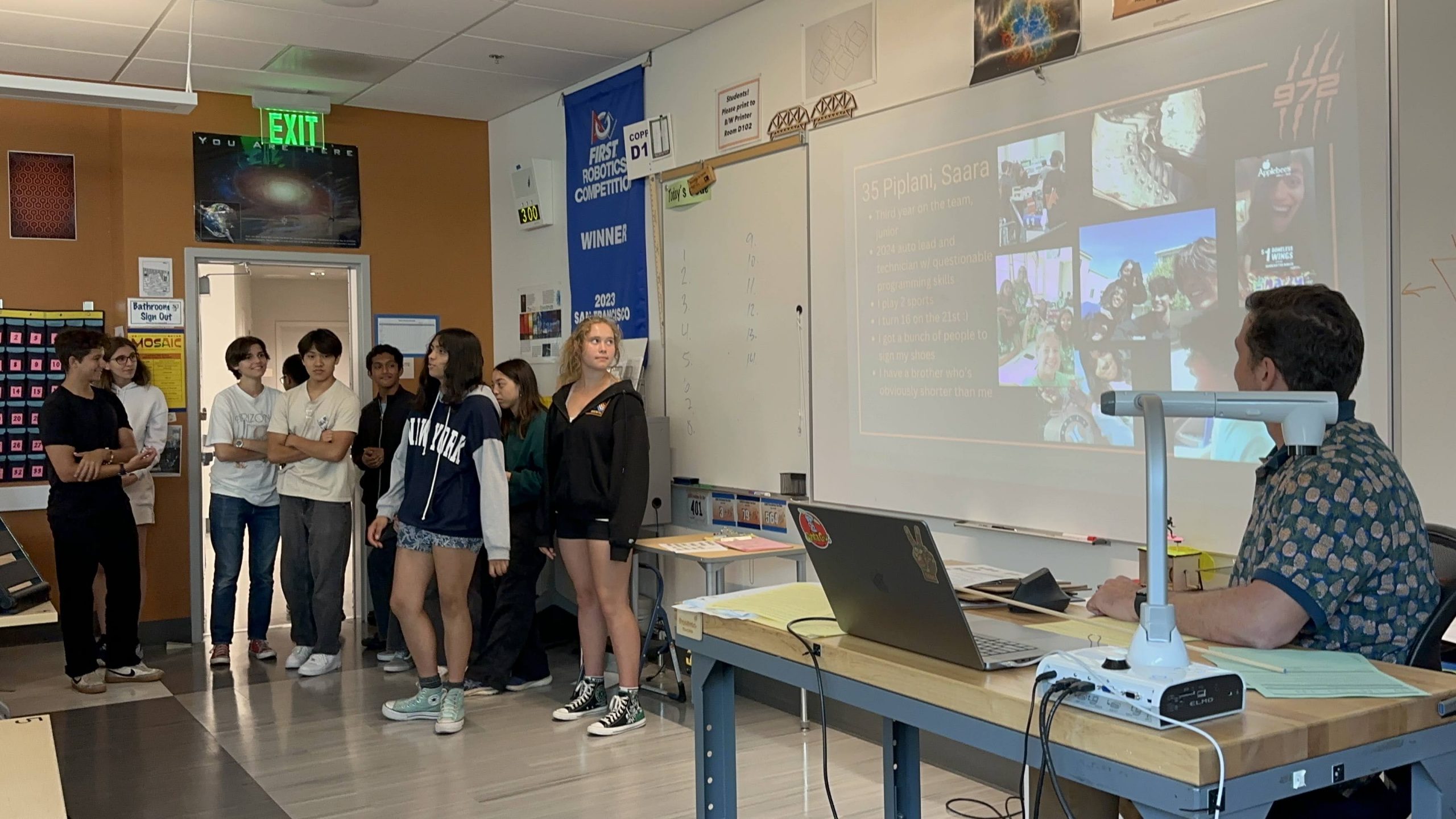
             Welcome back, team! This season has kicked off with a burst of energy and excitement. From revamping our leadership selection process to diving into presentations on the latest FRC scoring updates, we've embraced change and innovation like never before!              This year, we updated our leadership selection process to better align with the team's goals. In previous years, the process involved students giving presentations in front of the class, followed by anonymous voting and an announcement of the new Leadership Council (LC). While team managers made the final decision, this year's system introduced some improvements. Now, students submit videos expressing their interest in joining the LC, which are then reviewed by mentors and the team, who provide their feedback. Although team managers still make the final decision, the new approach emphasizes responsibility. It prioritizes veteran students who have the experience needed to lead while allowing new members to get comfortable and integrate into the team more smoothly.              Our Leadership Council is led by an outstanding team: Piper Robinson as captain, Ellery Han as Shop Manager, Claire Mayder as Operations Director, and Henry Lee and Saara Piplani as our dedicated hardware and software directors. Together, this exceptional group has been working tirelessly, training [...]

By |2024-02-13T15:41:38-08:00February 12th, 2024|

Week 5 is a busy one for team Iron Claw as we prepare for our upcoming competition. Our CADers have been working day-in-and-out, finalizing the designs of the intake, shooter, and arm. Last week, we decided to change the intake from over the bumper to under the bumper to provide adequate space for an object detection camera, as well as to make sure the intake is as robust as possible. With the addition of our under-the-bumper intake, we eliminated one degree of freedom from our robot. Additionally, we began assembling our prototype, and tested intaking as well as centering as it goes into the shooter. With the new intake, we tested out two centering mechanisms. The first was a set of polycarbonate plates that were bent to create ramps between the rollers. In our testing, we tried several types of surfaces including smooth polycarbonate, sanded polycarbonate, velcro loop, and masking tape. While sanded polycarbonate showed potential, we decided that none of the materials were successful enough as the note jammed on the side. Due to the failure of the plates, we decided to experiment with a pair of passive wheels that would direct the game piece toward our shooter. This seemed to work better, but we are transitioning to a powered wheel solution for the final design, using [...]

By |2024-01-29T22:17:24-08:00January 29th, 2024|

Week three concluded with a DVC (Decision Voting Council) vote on our subsystems. As a team, we extended our prototyping process to ensure that our DVC could use the data and information collected to make an informed decision. We also created an integration team that is responsible for researching possible ways to package and integrate the subsystems onto our 26.5” x 26.5” swerve drivetrain. Below is an overview of how the final prototypes progressed and finished over the week. This year, when presenting the final subsystems, the prototyping teams ensured they validated the capabilities against the functional requirements that the team created in week one. The Fliptake team finished a CAD of the prototype and simulated the full range of motion. We also worked on mounting it to Phil, our off-season swerve robot, to test its ability to intake while driving. In its stowed position, the two rollers of the Fliptake are positioned halfway across the robot with a polycord infinity loop, allowing spin in opposite directions. Incorporating a self-centering board cements the note to flip back on the pivot and handoff to the shooter. However, we found that the self-centering board acted as more of a hardstop for the note. During data collection, we accomplished a 100% success rate during 25 trials from the center using the stationary [...]

Go to Top